Eco-Friendly Loft Insulation Options in Bristol - Sheep Wool and Recycled Materials
If you want to reduce heat loss and cut your carbon footprint at the same time, Bristol has a growing range of eco-friendly loft insulation materials worth considering. This guide covers the main sustainable options, what they cost, and how they compare to conventional mineral wool.
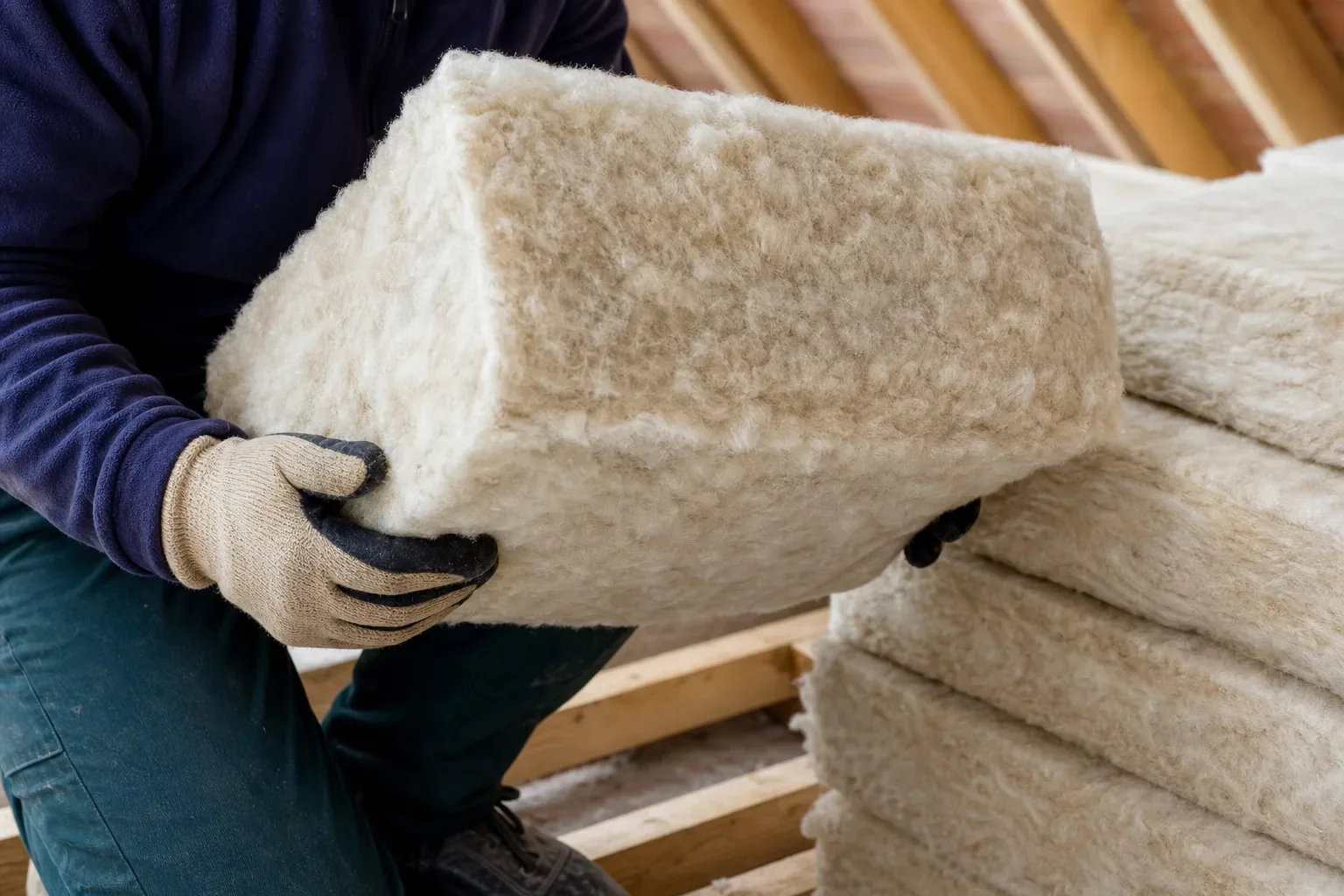
Why Eco-Friendly Loft Insulation Matters in Bristol
An uninsulated loft allows up to 25% of a home's heat to escape through the roof, making it one of the highest-impact areas to address. Bristol homeowners are increasingly asking whether they can solve that problem with materials that have a lower embodied carbon footprint. The good news is that practical, well-tested alternatives exist, and the local installer base has grown to support them.
Bristol City Council's net-zero ambitions and the city's strong green-building culture have pushed demand for sustainable building materials well above the national average. That demand has made it easier to source sheep wool batts, recycled cellulose, and other bio-based products through local suppliers and specialist contractors.
Sheep Wool Insulation
Sheep wool is the most widely installed eco-friendly loft insulation in Bristol, and for good reason. It is a renewable, biodegradable material that requires minimal processing compared with glass or rock wool products.
Performance and Depth
Quality sheep wool batts perform comparably to mineral wool in terms of thermal resistance when installed at the correct depth. To meet the current UK recommended depth of 270 mm, installers typically layer batts between and across the joists in a cold roof configuration, which keeps the loft space unheated and the insulation at ceiling level.
Sheep wool has a natural ability to absorb and release moisture without losing significant thermal performance. In older Bristol terraced houses, where roof ventilation can be inconsistent, that breathability is a genuine practical advantage rather than just a selling point.
Cost of Sheep Wool Insulation
Sheep wool insulation runs £15–£35 per m², which sits above the cost of standard mineral wool roll but reflects the higher material and processing expenses involved. For a mid-sized semi-detached Bristol home with roughly 50–70 m² of loft floor area, expect total installed costs broadly in line with the £400–£600 range quoted for that property type, though a specialist eco installer may price at the upper end.
Always get itemised quotes so you can see material cost, labour, and any preparation work as separate figures.
Environmental Credentials
Sheep wool is compostable at end of life and sequesters carbon during the sheep's growth cycle. The main environmental caveats are the chemical treatments applied to some batts to resist moth damage and the transport emissions if the wool is sourced from outside the UK. Look for products carrying the Woolmark certification or equivalent, and ask your installer whether the wool is British-sourced.
Recycled and Cellulose Insulation
Recycled cellulose insulation is made predominantly from post-consumer newspaper and cardboard, treated with borate salts to resist fire, pests, and mould. It can be blown loose-fill into a loft, making it well-suited to irregular joist spacings and hard-to-reach areas that can be common in Bristol's Victorian and Edwardian housing stock.
How It Compares to Mineral Wool
Cellulose has a lower embodied carbon than mineral wool because manufacturing it requires significantly less energy. It also has a relatively high thermal mass, meaning it slows down heat transfer rather than simply resisting it, which can help with overheating in summer as well as heat retention in winter.
The main practical consideration is that blown cellulose requires specialist equipment and experienced installers. It can settle over time, so the installer should account for settling when specifying the initial depth to ensure you still hit the 270 mm target after the material has been in place for a few months.
Recycled Polyester and Denim Batts
Some Bristol suppliers offer loft batts made from recycled plastic bottles or reclaimed denim. These are less common than sheep wool or cellulose but are gaining traction among homeowners who want to divert post-consumer waste from landfill. Performance figures are comparable to mid-range mineral wool, and the products are non-irritating to handle, which installers tend to appreciate.
Pricing for these materials varies considerably and is not as standardised as sheep wool or cellulose, so always request a written quote rather than relying on online estimates.
Warm Roof vs Cold Roof for Eco Materials
The distinction between a warm roof and a cold roof matters when choosing eco-friendly materials. A cold roof places insulation at joist level, leaving the roof void unheated. A warm roof fixes insulation at rafter level, bringing the loft into the home's thermal envelope and creating usable headroom.
Sheep wool and cellulose are most commonly used in cold roof applications. Warm roof projects often require rigid insulation boards between and over the rafters, and while natural cork and wood-fibre boards are available, they carry a significant cost premium and require a contractor experienced in their installation. If you are planning a warm roof conversion, discuss material options with an accredited installer before committing to a specification.
Grants and Funding for Eco-Friendly Loft Insulation
Sustainable materials can push installation costs above the standard range, so understanding available funding is worth doing before you get quotes.
ECO4 and Warm Homes Local Grant
The Energy Company Obligation 4 scheme, commonly called ECO4, runs until 31 December 2026. Eligible households, broadly those on qualifying benefits or with a gross household income up to £31,000 per year, may receive fully funded loft insulation at no upfront cost. ECO4 grant terms specify the insulation delivered, and funded installations typically use mineral wool rather than premium eco materials. However, some installers will discuss a partial top-up arrangement.
The Warm Homes: Local Grant is open and runs to 31 March 2028. In Bristol it is delivered through Bristol City Council and can cover insulation upgrades for owner-occupiers and private renters in eligible properties. It is worth contacting the council directly to ask whether sheep wool or recycled materials can be specified under this route.
Typical Savings
Regardless of the material chosen, a properly insulated Bristol home can expect annual energy bill savings in the range of £150–£300, depending on property size and heating system. That saving does not change significantly based on whether you choose mineral wool or sheep wool, because both materials achieve a similar thermal outcome when installed correctly.
Choosing an Installer for Eco Materials
Not every Bristol loft insulation contractor stocks or regularly installs sheep wool and cellulose products. Look for installers who hold TrustMark registration or membership of the National Insulation Association, the two main accreditation schemes recognised across the industry. Beyond those credentials, ask specifically about their experience with natural and recycled materials, and request references from comparable jobs.
Most Bristol installers provide written quotes within 2–5 working days of an initial enquiry. A standard loft insulation job typically takes half a day to one full day, though larger or more complex lofts may extend beyond that. Getting three quotes from contractors who regularly work with eco materials gives you both a realistic price and a sense of who is genuinely knowledgeable about the products.
Frequently Asked Questions
Is Sheep Wool Loft Insulation Better Than Mineral Wool for Bristol Homes?
Sheep wool performs comparably to mineral wool thermally when installed at the correct 270 mm depth, and it has the added advantage of natural breathability, which suits older Bristol properties with variable roof ventilation. It costs more per m², typically £15–£35 per m², but many homeowners consider the environmental and practical benefits worth the premium.
Can I Get a Grant to Cover Eco-friendly Loft Insulation in Bristol?
ECO4 funding, available until 31 December 2026, usually covers mineral wool installations for eligible households. The Warm Homes: Local Grant, delivered through Bristol City Council and open until March 2028, may offer more flexibility on material choice. Contact your installer and the council directly to confirm what is permitted under each scheme.
Does Cellulose Insulation Work in a Victorian or Edwardian Loft?
Yes, blown cellulose is particularly well-suited to older Bristol homes because it fills irregular joist spacings and awkward corners that rigid or roll materials can struggle to cover. The installer should calculate the correct initial depth to allow for some natural settling and still achieve the 270 mm recommended depth.
How Long Does Sheep Wool Loft Insulation Last?
Quality sheep wool insulation, like mineral wool, has an expected effective lifespan of 40 or more years when correctly installed. It should be checked periodically for signs of pest activity or moisture damage, particularly if roof ventilation is poor, but it does not degrade in the way some synthetic materials can.
Do I Need Planning Permission for Eco-friendly Loft Insulation in Bristol?
Most standard loft insulation work in Bristol does not require planning permission, regardless of the material used. Insulating between joists in an existing home falls within permitted development rights. Converting the loft into habitable space is a separate matter and does involve building regulations and potentially planning permission.