Types of Loft Insulation Available to Bristol Homeowners
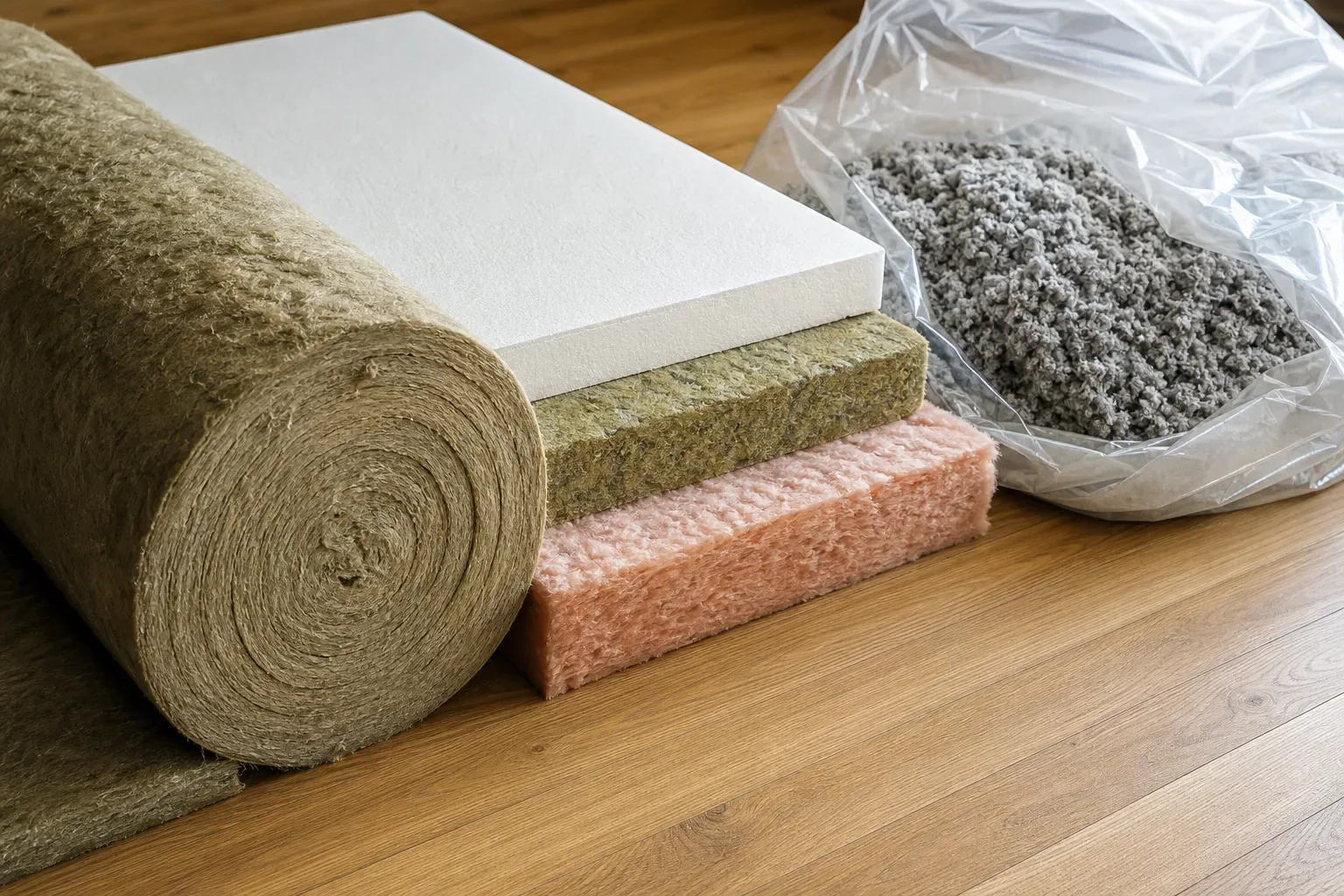
Choosing the right insulation material is the single most consequential decision in any loft insulation project. Bristol homes span Victorian terraces, Edwardian semis, postwar semis, and modern detached properties, each with different loft geometries and heating needs. The material you choose affects upfront cost, long-term performance, and even your ability to sell or remortgage. This guide covers every main type available to Bristol homeowners so you can match the right solution to your property.
Why Material Choice Matters
Up to 25% of a home's heat escapes through an uninsulated roof, according to the Energy Saving Trust. Closing that gap with the wrong material, however, can cause moisture problems, void warranties, or complicate a future sale. Bristol's older housing stock in particular benefits from breathable materials that handle the city's damp winters without trapping condensation.
Most standard loft insulation jobs in Bristol do not require planning permission. The work is typically completed in half a day to one full day, depending on loft size and access. A written quote usually arrives within 2–5 working days of your initial enquiry.
Mineral Wool - the Most Common Choice
Mineral wool, sold as glass wool or rock wool rolls and batts, is installed in the vast majority of Bristol loft insulation projects. It is fitted between and over the joists at ceiling level in a cold roof configuration, leaving the roof space unheated. The current UK recommended depth is 270 mm, which achieves a target U-value of 0.16 W/m²K under Approved Document L.
Mineral wool is non-combustible, widely available, and straightforward for accredited installers to fit. Pricing for a complete job runs from £300–£500 for a small terraced home with roughly 40–50 m² of loft floor, £400–£600 for a semi-detached property with 50–70 m², and £600–£900 for a larger detached home with 70–100 m² of loft area. Annual energy bill savings of £150–£300 are typical after installation. Mineral wool installed correctly can remain effective for 40-plus years.
Sheep Wool Insulation - the Natural Alternative
Sheep wool is gaining traction with Bristol homeowners who prioritise sustainable building materials. It is naturally breathable, absorbs and releases moisture without losing thermal performance, and carries a low embodied carbon footprint compared with synthetic products.
Sheep wool insulation is priced at £15–£35 per m², making it more expensive per square metre on materials than mineral wool. The total installed cost reflects both the higher material price and the same labour requirement. It suits cold roof applications just as mineral wool does and is particularly popular in older Bristol properties where vapour management matters. Like mineral wool, quality sheep wool insulation lasts 40-plus years when correctly installed and kept dry.
Spray Foam Insulation - Proceed with Caution
Spray foam is not recommended for most Bristol homeowners without careful consideration of the financial implications. Open-cell and closed-cell spray foams are applied directly to the underside of roof rafters, creating a warm roof that brings the loft space into the thermal envelope. Coverage costs £20–£50 per m², depending on foam type and access difficulty.
The core problem is financial rather than thermal. Spray foam insulation can affect mortgage and remortgage applications and may deter buyers. Several major lenders refuse to lend on properties where spray foam has been applied to the roof structure. Before proceeding, obtain written confirmation from your current mortgage provider and seek independent advice on resale implications.
Spray foam is not eligible under ECO4 or the Warm Homes: Local Grant.
Rigid Board Insulation - Best for Warm Roof Conversions
Rigid polyisocyanurate or phenolic boards are fitted between or below rafters when homeowners want a habitable or accessible loft space. This warm roof approach is more material-intensive and typically more expensive than a cold roof installation, but it insulates a usable space rather than an empty void.
Rigid boards deliver a high thermal resistance per millimetre, which is useful where rafter depth limits how thick the insulation layer can be. This option is most relevant when a Bristol homeowner is combining insulation with a loft conversion or storage upgrade. Standard building regulations requirements still apply, and the project scope usually takes it beyond a straightforward half-day insulation job.
Loose-Fill Insulation - Useful for Awkward Lofts
Loose-fill materials, including cellulose fibre and mineral wool granules, are blown or poured into the loft space. They are particularly effective in Bristol lofts with irregular joist spacing, obstructions, or limited headroom that makes rolling out batts difficult.
Loose-fill is a cold roof solution laid at joist level, and it achieves the same 270 mm recommended depth as roll insulation. It is sometimes used to top up existing partial insulation rather than replace it entirely. Costs vary by material and coverage area, but the labour process is faster on awkward lofts than hand-laying rolls.
Comparing Your Options at a Glance
| Material | Typical Cost | Roof Type | Key Consideration | |---|---|---|---| | Mineral wool | £300–£900 (full job, by house size) | Cold roof | Most Bristol homes; widely available | | Sheep wool | £15–£35 per m² | Cold roof | Natural, breathable, higher material cost | | Spray foam | £20–£50 per m² | Warm roof | Mortgage risk; check with lender first | | Rigid board | Project-dependent | Warm roof | Best for habitable loft conversions | | Loose-fill | Varies | Cold roof | Suits awkward or obstructed loft spaces |
Grants and Funding Available Now
ECO4, the Energy Company Obligation 4 scheme, runs until 31 December 2026. Eligible households with a gross income up to approximately £31,000 per year, or those receiving qualifying benefits, may receive fully funded loft insulation at no upfront cost. Mineral wool is the standard material under ECO4.
The Warm Homes: Local Grant is open and runs to 31 March 2028. In Bristol it is delivered via Bristol City Council and targets lower-income households in less energy-efficient properties. The Great British Insulation Scheme closed to new applicants and completed installations on 31 March 2026, so it is no longer an option.
Choosing a Bristol Installer
Whichever material you select, use an installer accredited under TrustMark or a member of the National Insulation Association. These two schemes are the primary accreditation routes for Bristol loft insulation contractors and give you a route to redress if work falls short. Ask for the accreditation number before work begins and check it against the register.
Get at least three quotes. Most Bristol installers turn around written quotes within 2–5 working days of a site visit or survey. Ask each installer to confirm the proposed depth, material specification, and any preparatory work such as hatch enlargement or pipe insulation that is included in the price.
Frequently Asked Questions
What Is the Most Popular Type of Loft Insulation in Bristol?
Mineral wool is by far the most common choice. It is laid at joist level as a cold roof installation, costs £300–£900 for a complete job depending on house size, and is the standard material used under ECO4 grant funding.
Is Spray Foam Loft Insulation a Good Idea for Bristol Homes?
Thermally it performs well, but spray foam insulation can affect mortgage and remortgage applications and may deter buyers. Check with your mortgage provider before proceeding, as several lenders will not lend on properties with spray foam in the roof space.
How Much Does Sheep Wool Insulation Cost Compared to Mineral Wool?
Sheep wool insulation costs £15–£35 per m² for materials, which is higher per square metre than mineral wool. It is a breathable, natural alternative well suited to older Bristol properties where moisture management is a priority.
Can I Still Get a Free Loft Insulation Grant in Bristol?
Yes. ECO4 runs until 31 December 2026 and may fund fully installed loft insulation at no upfront cost for households earning up to approximately £31,000 per year or receiving qualifying benefits. The Warm Homes: Local Grant, delivered by Bristol City Council, also remains open until 31 March 2028.
How Long Does Loft Insulation Last Once Installed?
Quality mineral wool and sheep wool installed correctly have an expected effective lifespan of 40-plus years. Most standard Bristol installations are completed within half a day to one full day, making this one of the best long-term value improvements available to homeowners.