Mineral Wool Loft Insulation in Bristol - Pros, Cons and Costs
Mineral wool is the most widely installed loft insulation material in Bristol homes, and for good reason. It is cost-effective, widely available, and straightforward for accredited installers to fit in a single visit. Understanding exactly what you are buying, and what the trade-offs are, helps you make a confident decision before work begins.
What Is Mineral Wool Loft Insulation?
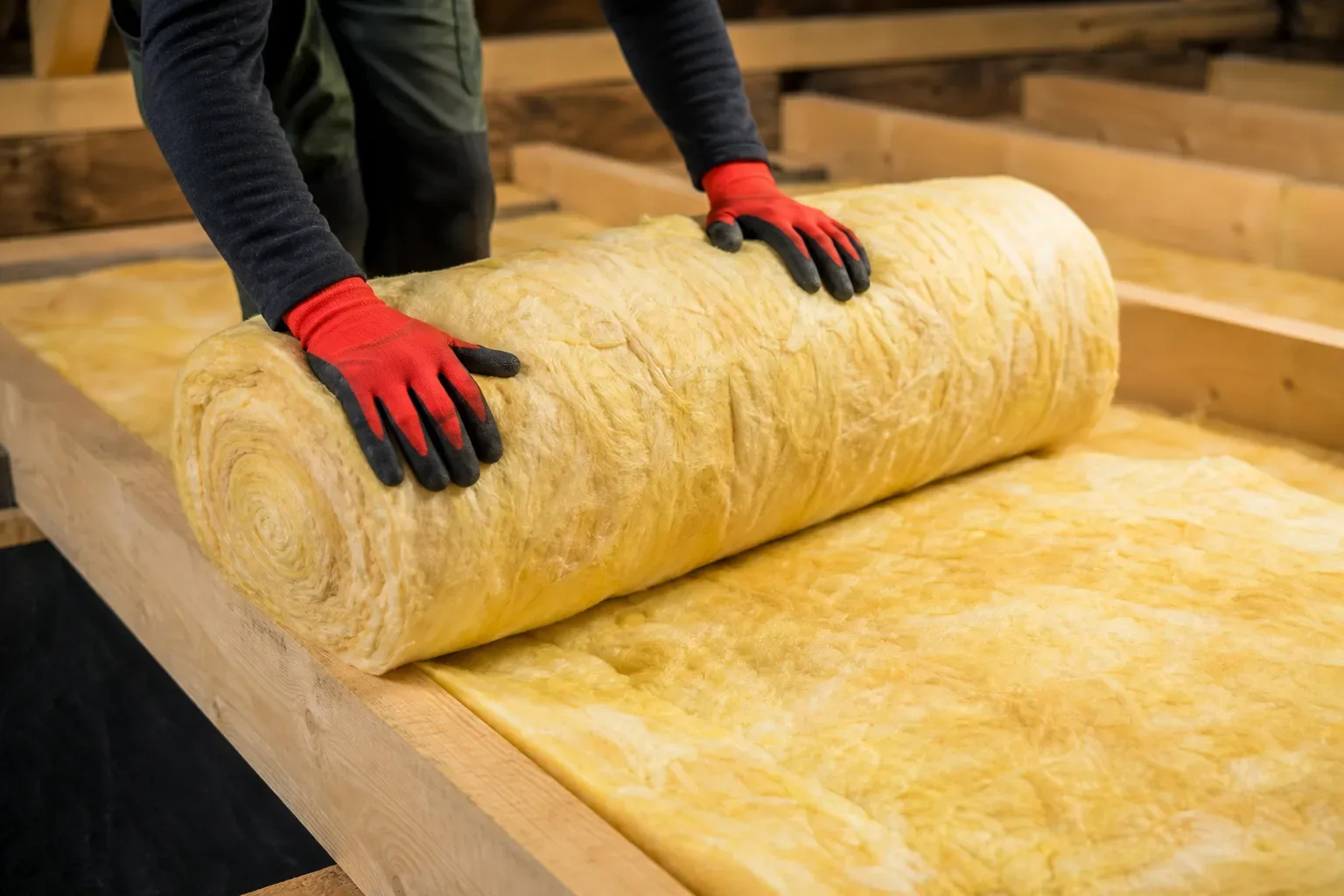
Mineral wool is a broad term covering glass wool and rock wool products, both manufactured by spinning or drawing molten mineral material into fine fibres. The result is a lightweight, flexible roll or batt that traps air and resists heat transfer effectively. Across the site, mineral wool is the preferred generic term for these products, avoiding reliance on brand names. It is the material most Bristol installers carry as standard stock.
The Energy Saving Trust recommends a depth of 270 mm for mineral wool laid at joist level. At that depth, a pitched roof insulated at ceiling level can achieve the building regulations target U-value of 0.16 W/m²K for existing dwellings in England. Most older Bristol homes were built with little or no insulation at this level, so even a single installation represents a significant thermal improvement.
How It Is Installed in Bristol Homes
Cold Roof vs Warm Roof
The installation method depends on how you use your loft. A cold roof layout places the insulation between and over the joists at ceiling level, leaving the roof space itself unheated and ventilated. A warm roof layout fixes insulation between and over the rafters, bringing the loft into the heated envelope of the home and typically requiring a conversion or habitable use.
For most Bristol terraced and semi-detached homes where the loft is used only for storage, the cold roof approach is standard. Mineral wool rolls are laid in two layers: the first layer fits between the joists and the second layer runs perpendicular across the top, covering the joists themselves and eliminating thermal bridging. This two-layer method is essential to reach the full 270 mm target depth.
What to Expect on Installation Day
Most standard Bristol loft insulation jobs are completed within half a day to one full day. The installer will clear a path through any existing insulation or stored items, check for damp or structural issues, and lay the rolls methodically from the eaves toward the hatch. Eaves ventilation baffles are fitted to maintain airflow and prevent condensation.
Planning permission is not required for standard loft insulation in Bristol. Insulating between joists or rafters in an existing home falls within permitted development, so there is no need to make a local authority application before work starts.
Pros of Mineral Wool
Cost and availability are the primary advantages. Mineral wool is significantly cheaper per square metre than spray foam or sheep wool alternatives, and every accredited installer in Bristol will be familiar with it. Lead times from enquiry to installation are typically short, with most installers providing a written quote within 2–5 working days.
Mineral wool is also non-combustible, which matters for buildings insurance and general fire safety. It does not harbour pests, resists moisture reasonably well when ventilation is maintained correctly, and carries an expected lifespan of 40 or more years when correctly installed. That durability means a single installation can serve a Bristol home for decades without needing replacement.
A properly insulated loft can reduce heat loss through the roof by up to 25%, according to the Energy Saving Trust. For a typical Bristol household, that translates to an estimated saving of £150–£300 per year on energy bills, depending on property size and heating system.
Cons of Mineral Wool
The material can be irritating to skin and airways during installation, which is why professional fitting is strongly recommended over DIY. Installers wear protective equipment as standard. Once installed and undisturbed, the fibres pose no ongoing risk to occupants.
Mineral wool absorbs moisture if ventilation is inadequate or if there is a roof leak. Saturated insulation loses effectiveness and can contribute to damp problems in the loft space. A pre-installation inspection to confirm the roof covering is sound is therefore worthwhile before any material goes down.
Mineral wool is also a less sustainable choice than natural alternatives. Sheep wool insulation, priced at £15–£35 per m², is breathable and produced from a renewable resource. For households where environmental credentials are the priority, the higher material cost of sheep wool may be justified.
Mineral Wool Loft Insulation Costs in Bristol
Pricing varies primarily by the floor area of the loft and the complexity of access. For a small terraced home with roughly 40–50 m² of loft floor area, mineral wool roll insulation professionally installed typically costs £300–£500. A mid-range semi-detached Bristol property with a loft area of around 50–70 m² generally sits in the £400–£600 bracket. Larger detached homes with more extensive loft areas are typically priced at £600–£900 for a full installation.
These figures assume standard access via a ceiling hatch and a reasonably clear loft space. Heavily boarded lofts, awkward roof geometries, or very low ridge heights can push costs upward. Always request at least three quotes from TrustMark or National Insulation Association accredited installers before committing.
Funding and Grants Available in Bristol
ECO4
The Energy Company Obligation 4 scheme remains open until 31 December 2026. Eligible households, broadly those on qualifying benefits or with a gross household income up to around £31,000 per year, may receive fully funded loft insulation at no upfront cost. An accredited installer can carry out an eligibility check as part of the initial survey process.
Warm Homes - Local Grant
The Warm Homes: Local Grant is open and runs to 31 March 2028. In Bristol it is delivered via Bristol City Council and targets lower-income households in less energy-efficient properties. It is a practical route for Bristol residents who do not qualify for ECO4 but still need financial support. Contact Bristol City Council directly to check current eligibility criteria and available funding rounds.
Great British Insulation Scheme
The Great British Insulation Scheme closed to new applicants in October 2025, with all installations completed by 31 March 2026. It is no longer available, and no equivalent successor scheme has been announced.
Choosing an Installer in Bristol
The two primary accreditation schemes to look for are TrustMark and the National Insulation Association. Both provide a baseline assurance that the installer meets industry standards for workmanship, insurance, and customer protection. Checking registration on both bodies' online directories takes only a few minutes and can prevent significant problems later.
Ask any installer for a written specification confirming the material, total installed depth, and the method used to maintain eaves ventilation. A detailed written quote, typically delivered within 2–5 working days of your initial enquiry, gives you a clear basis for comparison and protects you if any dispute arises after the job is complete.
Frequently Asked Questions
How Much Does Mineral Wool Loft Insulation Cost in Bristol?
Costs range from £300–£500 for a small terraced home, £400–£600 for a semi-detached property, and £600–£900 for a larger detached home, depending on loft area and access difficulty.
How Deep Should Mineral Wool Loft Insulation Be?
The Energy Saving Trust recommends 270 mm of mineral wool at joist level. This depth allows a pitched roof insulated at ceiling level to meet the building regulations target U-value of 0.16 W/m²K for existing homes in England.
Can I Get Free Loft Insulation in Bristol?
Eligible households may receive fully funded loft insulation through the ECO4 scheme, which runs until 31 December 2026. The Warm Homes: Local Grant, delivered via Bristol City Council, is also open until 31 March 2028 for qualifying properties.
How Long Does Mineral Wool Loft Insulation Last?
Quality mineral wool or sheep wool insulation, correctly installed, has an expected lifespan of 40 or more years. It rarely needs replacing unless it becomes damaged by a roof leak or persistent condensation.
Do I Need Planning Permission for Loft Insulation in Bristol?
No. Most standard loft insulation in Bristol falls within permitted development and does not require a planning application. This applies to insulating between joists or rafters in an existing home; converting a loft to habitable space is a separate matter with different rules.