Loft Insulation Installation in Bristol - Costs, Grants and Installers
Up to 25% of a home's heat escapes through an uninsulated roof. For Bristol homeowners, that represents hundreds of pounds lost every year through the ceiling. Professional loft insulation installation addresses that directly, with most jobs completed in half a day to a full day and savings of £150–£300 annually on energy bills.
Why Bristol Homes Benefit from Loft Insulation
Bristol's housing stock is dominated by Victorian and Edwardian terraces, many of which were built with no thermal insulation at all. Older properties lose heat rapidly through the roof space, making loft insulation one of the most cost-effective upgrades available. The city's mix of exposed hillside positions and urban heat variation means heating demand stays relatively high for much of the year.
A well-insulated loft also reduces condensation risk and can contribute to a better Energy Performance Certificate rating. That matters both for comfort and for property value, particularly as buyers increasingly scrutinise running costs.
Cold Roof vs Warm Roof - Which Do You Need?
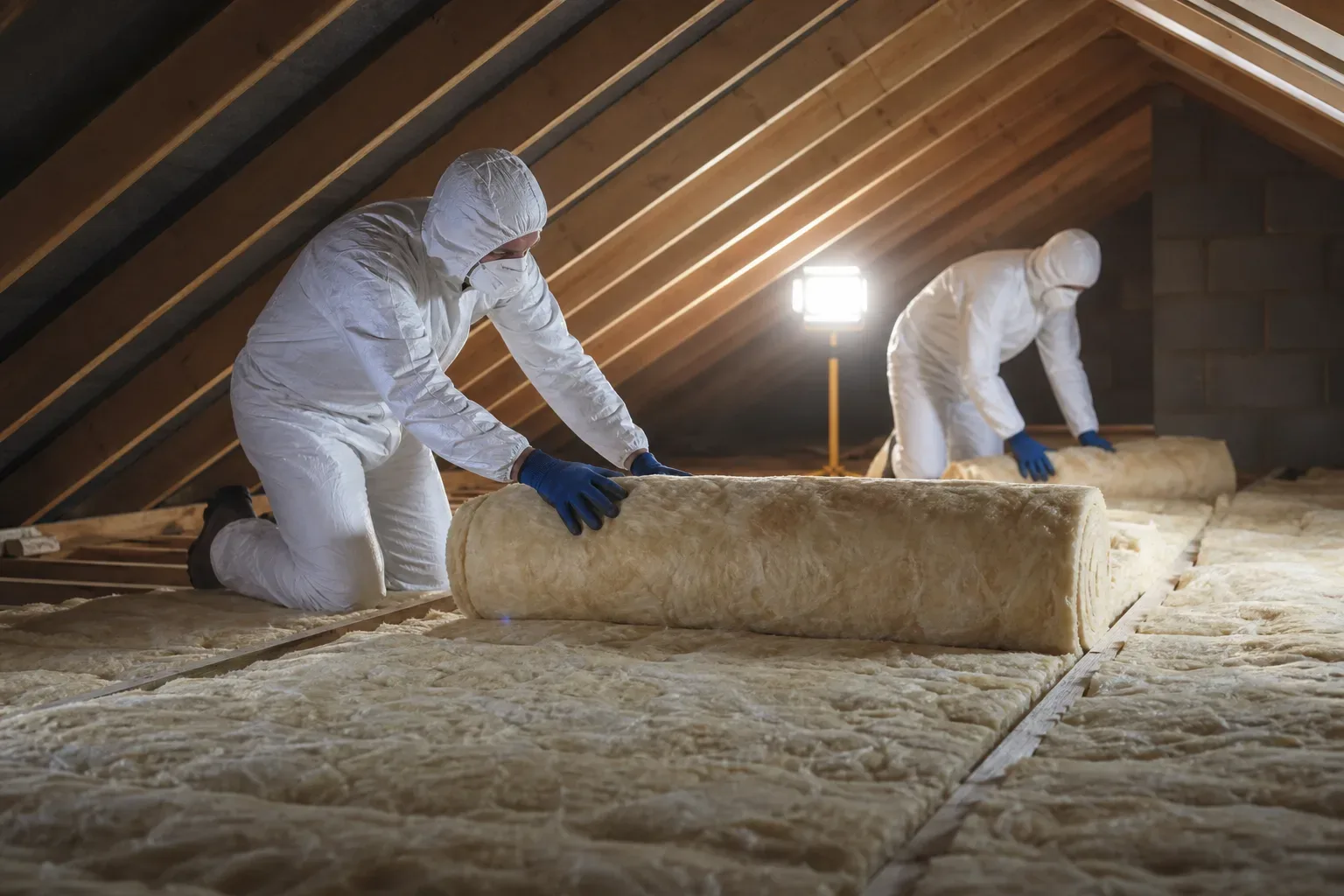
Most Bristol homes suit a cold roof approach, where insulation is laid at joist level and the roof space above remains unheated. This is the standard configuration for a loft used purely for storage or left unused entirely. Mineral wool rolls are fitted between and over the joists to achieve the current UK-recommended depth of 270 mm.
A warm roof brings the loft into the home's thermal envelope by fixing insulation at rafter level instead. This is the right choice when the loft is converted into a habitable room. Warm roof installations are more complex and typically cost more, but they allow the full loft volume to be used and heated efficiently.
Loft Insulation Costs in Bristol
Prices vary with property size, insulation type, and access conditions. The figures below reflect professionally installed mineral wool insulation for typical Bristol properties.
Mineral Wool - Standard Option
- Small terraced house (40–50 m² loft floor area): £300–£500
- Semi-detached house (50–70 m² loft area): £400–£600
- Detached house (70–100 m² loft area): £600–£900
Mineral wool is the most widely installed loft insulation material in the UK. It is fire-resistant, moisture-tolerant, and rated to last 40 years or more when correctly fitted.
Spray Foam Insulation
Spray foam is applied directly to the underside of roof tiles rather than at joist level. Costs run from £20–£50 per m² depending on foam type and how accessible the roof space is. Closed-cell foam provides a higher insulating value per millimetre than open-cell, but it is also more expensive.
One critical consideration: spray foam insulation can affect mortgage and remortgage applications and may deter buyers. Several mainstream lenders refuse to lend on properties where spray foam is present in the roof space. Get independent financial advice before choosing this option.
Sheep Wool Insulation
For homeowners prioritising natural materials, sheep wool is a breathable and sustainable alternative to mineral wool. It costs £15–£35 per m² and performs well in the damp conditions that Bristol's climate can bring. The material is more expensive than mineral wool but requires no synthetic binders and is fully biodegradable.
Grants and Funding Available in Bristol
Several funding routes are currently active for eligible Bristol homeowners. Checking eligibility before paying privately could save thousands.
ECO4 - Energy Company Obligation
ECO4, the Energy Company Obligation scheme, requires large energy suppliers to fund insulation and heating upgrades for lower-income households. Eligible households may receive fully funded loft insulation at no upfront cost. The income threshold sits at approximately £31,000 gross household income per year, though eligibility also covers recipients of qualifying benefits regardless of income.
ECO4 runs until 31 December 2026. There is no confirmed successor obligation, so homeowners who may qualify should seek an eligibility check promptly rather than assuming the scheme will extend.
Warm Homes - Local Grant
The Warm Homes: Local Grant is a council-delivered scheme running to 31 March 2028. In Bristol, it is administered by Bristol City Council and targets owner-occupiers and private renters in properties with low energy ratings. Funding can cover loft insulation alongside other measures such as heat pumps and wall insulation. Contact Bristol City Council directly or use the council's referral process to start an application.
Great British Insulation Scheme - Now Closed
The Great British Insulation Scheme closed to new applicants in October 2025, with installations ending on 31 March 2026. It is no longer available. Homeowners who missed it should focus on ECO4 and the Warm Homes: Local Grant as the active routes.
Choosing an Installer in Bristol
Accreditation is the single most reliable indicator of installer quality. Two main schemes cover loft insulation work in Bristol: TrustMark and the National Insulation Association. TrustMark is a government-endorsed quality scheme; NIA membership signals adherence to industry standards and a formal complaints process.
Always request at least three quotes. Most Bristol installers provide written quotes within 2–5 working days of an initial enquiry. A reputable installer will carry out a loft survey before quoting, check joist depth and any existing insulation, and confirm whether the property is suitable for the material being proposed.
Ask specifically whether the installer is comfortable working in your loft configuration. Low-pitch roofs and those with awkward hatch access can add time and cost. An installer who flags these issues upfront is more trustworthy than one who does not.
What to Expect on Installation Day
Most standard loft insulation jobs in Bristol are completed within half a day to a full day. The installer will clear any stored items from the area being insulated or work around them carefully. Mineral wool is cut and laid between joists first, then a second layer is rolled perpendicular across the joists to reach the full 270 mm depth.
The loft hatch and any water tanks in the roof space will be insulated or lagged separately to prevent cold spots. Ventilation paths at the eaves must be kept clear to avoid condensation building up in the roof structure. A good installer will check this before finishing.
Building Regulations and Planning Permission
Most standard loft insulation in Bristol does not require planning permission. Installing mineral wool or sheep wool between and over joists in an existing home is considered routine maintenance under permitted development rights. The target U-value for a pitched roof insulated at ceiling level under England's Approved Document L is 0.16 W/m²K, which is achievable with the 270 mm mineral wool depth.
Converting the loft into a habitable room is a different matter and will require both planning permission and building regulations approval. Confirm the scope of any project with your installer and, if in doubt, contact Bristol City Council's planning department before work starts.
Getting Started
The practical first step is a loft survey and quote from a TrustMark or NIA-registered installer. If your household income is below £31,000 per year or you receive qualifying benefits, request an ECO4 eligibility check at the same time. Bristol City Council can advise on the Warm Homes: Local Grant for those who do not qualify through ECO4. Acting before the end of 2026 keeps the widest range of funded options open.
Frequently Asked Questions
How Much Does Loft Insulation Installation Cost in Bristol?
Costs depend on property size and material. Mineral wool installation in a small terraced house typically runs £300–£500, a semi-detached costs £400–£600, and a detached home ranges from £600–£900. Spray foam costs £20–£50 per m² and sheep wool runs £15–£35 per m².
Can I Get Free Loft Insulation in Bristol?
Eligible households may receive fully funded loft insulation through ECO4 at no upfront cost. Qualification is based on household income up to approximately £31,000 per year or receipt of qualifying benefits. The Warm Homes: Local Grant, administered by Bristol City Council, is also open until March 2028 for properties with low energy ratings.
How Long Does Loft Insulation Last?
Quality mineral wool and sheep wool insulation correctly installed is expected to remain effective for 40 years or more. The material does not degrade significantly over time provided the roof space stays dry and ventilation is maintained.
Will Loft Insulation Affect My Mortgage?
Standard mineral wool or sheep wool insulation has no negative impact on mortgage applications. Spray foam insulation is a different matter: some lenders refuse to lend on homes where spray foam has been applied to the roof space, and it can deter buyers at resale. Seek independent financial advice before choosing spray foam.
How Do I Find a Trusted Loft Insulation Installer in Bristol?
Look for installers registered with TrustMark or the National Insulation Association, the two main accreditation schemes referenced for Bristol work. Request at least three written quotes, which typically arrive within 2–5 working days, and confirm the installer will carry out a loft survey before pricing the job.